World Cup host-city transit plans show every match trip will be different
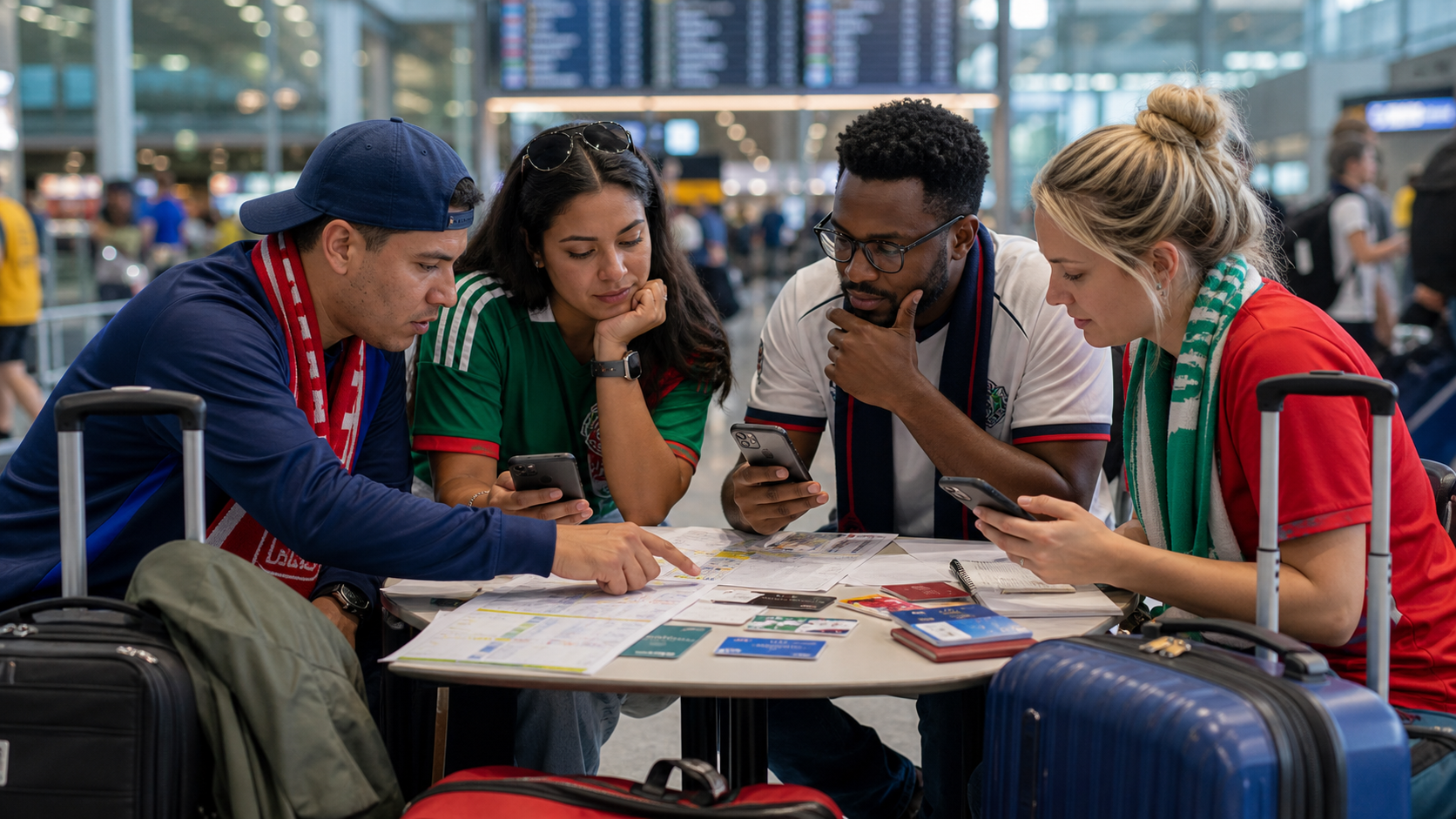
The 2026 World Cup will not have one transportation playbook. Sports Business Journal's overview of transit and parking across all 16 host cities highlights how different the fan experience will be from city to city, with each stadium mixing rail, bus, shuttle, walking, rideshare and parking rules differently.
Fan impact
- Fans following a team across cities need a separate mobility plan for every match
- Parking availability and price can vary sharply by host city and stadium
- Public transport, shuttle and rideshare details should be checked close to kickoff
No single playbook
A supporter who gets comfortable with one host city's route can still be surprised at the next stop. Stadium locations, transit links and parking controls vary widely across the United States, Mexico and Canada.
What fans should compare
The useful planning question is not simply whether a stadium has transit. Fans need to compare last-mile shuttles, post-match exits, parking rules, rideshare zones, walking distance and whether a fan festival sits in a different part of the city.
- Save the stadium and fan festival as separate destinations
- Check parking rules before buying or renting a car for match day
- Build extra time for the first match in each new city
Why multi-city fans feel it most
Fans following one national team may move from a downtown stadium to a suburban venue and then to a cross-border host city. That means each match needs its own route, payment method and exit plan.
CupMate planning note
CupMate users should avoid a one-size-fits-all travel checklist. Create a separate mobility card for each match city, then attach ticket proof, transit links, parking backup and a post-match meeting point.
Source
This CupMate summary is rewritten for fan planning context from Sports Business Journal.