Bay Area World Cup hosting run puts fan zones and transit back in focus
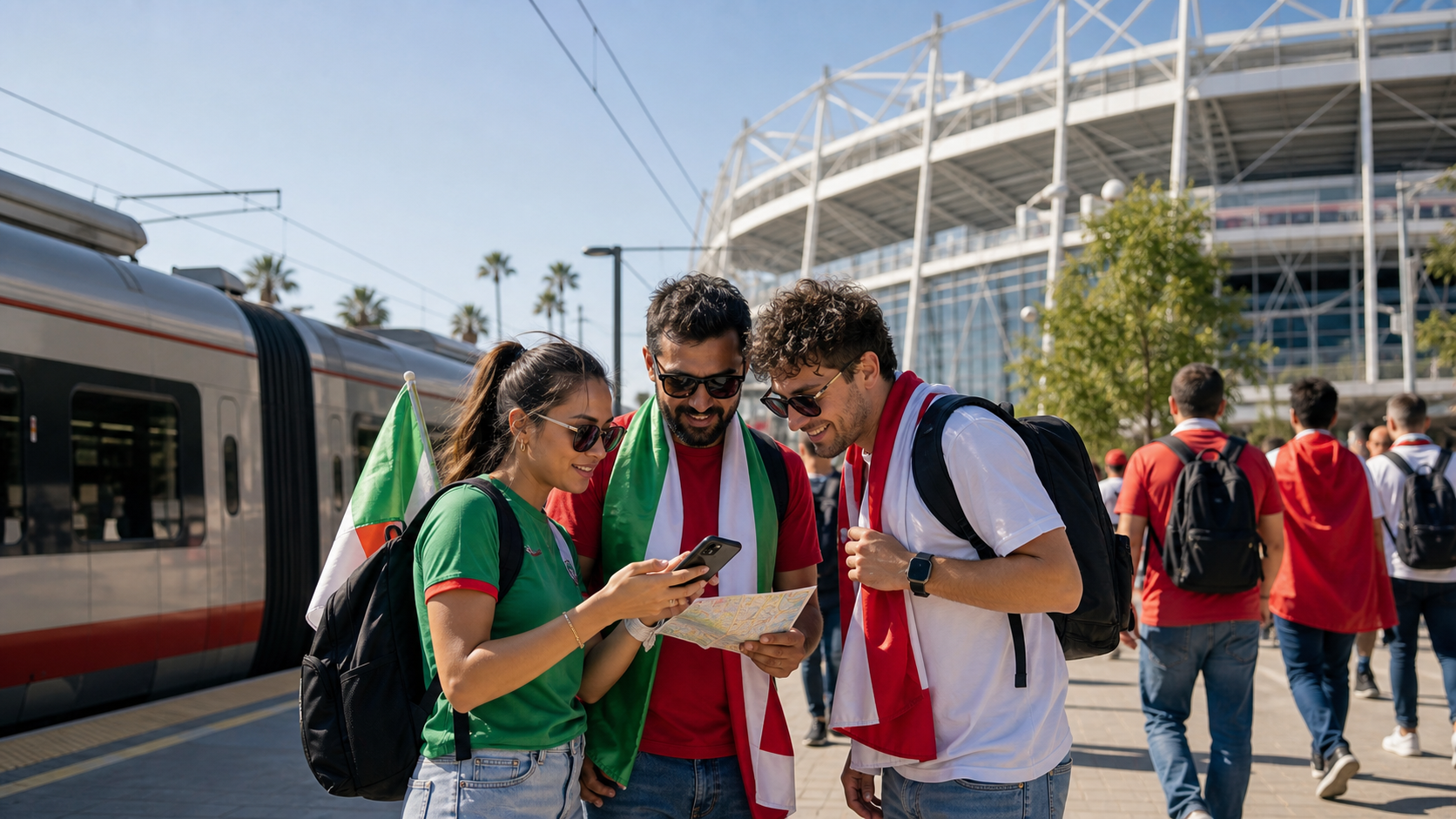
The San Francisco Bay Area is moving from one major sports event to another, and AP's host-city report shows why World Cup supporters should think beyond the stadium. The fan experience will depend on transit choices, city-to-stadium timing, official gathering spaces and hotel geography across a wide region.
Fan impact
- Bay Area visitors should plan by corridor, not only by stadium distance
- Transit and shuttle details should be checked before locking hotel choices
- Fan-zone and city-event demand can affect people who never enter the stadium
The host-city signal
The Bay Area is used to large sports weeks, but the World Cup brings a different rhythm: international visitors, scattered hotel bases, fan gatherings and multiple days of city movement around each match.
Why geography matters
A map can make the Bay Area look simple until traffic, rail connections and airport choices are added. Fans should connect lodging to realistic match-day routes rather than choosing by straight-line distance.
- Check official shuttle and rail updates before match week
- Leave wider buffers for airport-to-hotel and hotel-to-stadium moves
- Pick fan meetups near reliable transit, not only near nightlife
Fan-zone layer
Host-city events can pull crowds into downtown and waterfront areas even on non-match days. That makes the Bay Area a full-trip planning problem, not only a stadium arrival problem.
CupMate planning note
CupMate users visiting the Bay Area should build separate cards for airport arrival, match-day transit, fan-zone time and the return trip. A good plan will reduce both cost and stress.
Source
This CupMate summary is rewritten for fan planning context from AP.